A surface that develops over time
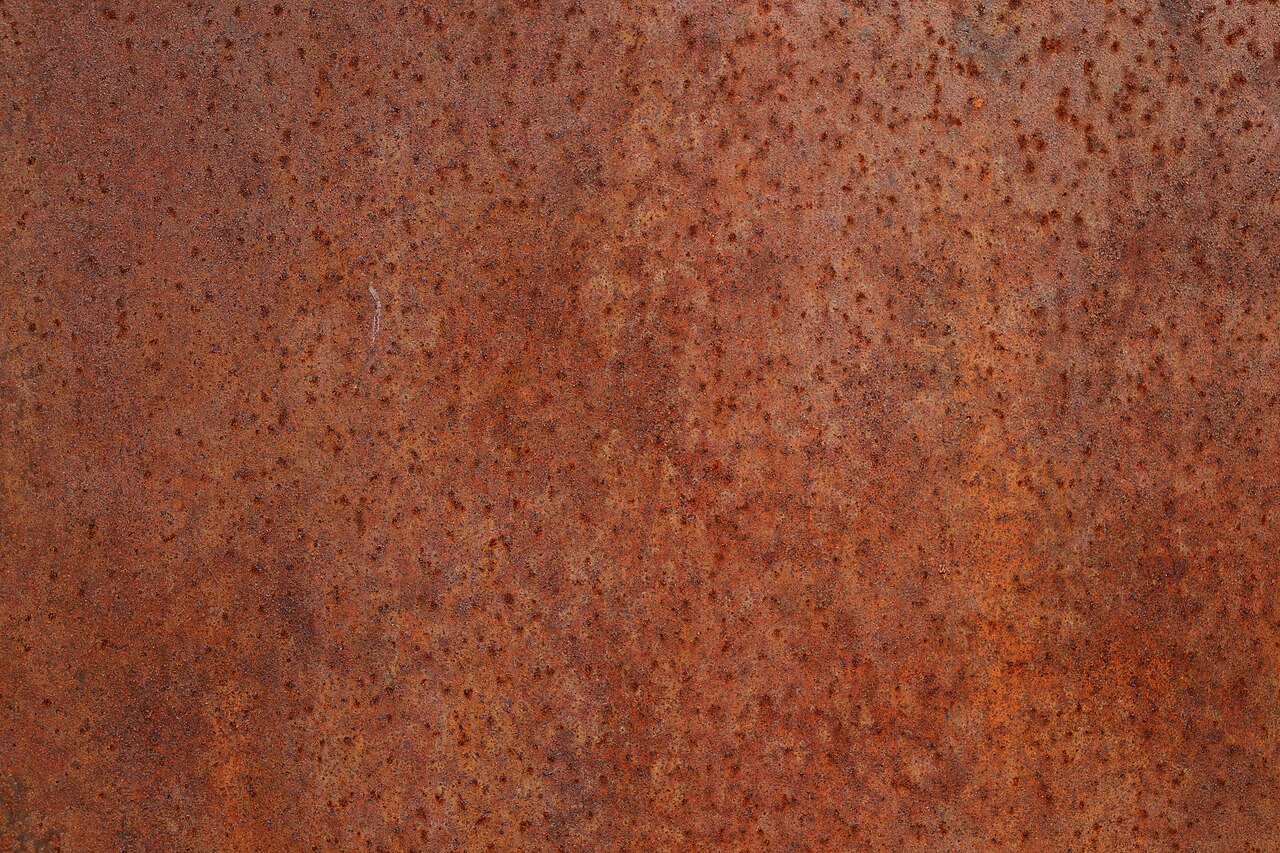
Weathering steel is a family of low-alloy steels designed for improved resistance to atmospheric corrosion under suitable conditions. Its surface changes as it is exposed. Repeated wetting and drying can support the development of a more protective oxide layer, which slows further corrosion. This is different from a paint film, and it does not mean that corrosion has ended.
Describe the exposure, not just the color
Two panels from the same material batch may weather differently on different elevations. Shelter, water paths, shade and surrounding vegetation affect local conditions. Before ordering, record whether the steel will be freely exposed, partly covered or regularly damp. Include the relationship with soil, irrigation and neighboring materials. A photograph of a desired brown shade is useful as a visual reference, but cannot define the material or guarantee future appearance.
Use a sample to align expectations
For an architectural finish, agree a physical sample and describe the viewing conditions and acceptable variation. If pre-weathering is requested, identify the base grade separately from the treatment. Ask how the surface should be handled, stored and installed, and whether any sealer or coating is part of the proposal. A pre-weathered initial appearance does not remove the need for suitable detailing.
Plan for water and inspection
Direct runoff away from sensitive paving and other adjoining finishes. Avoid details that retain debris or moisture, and make the assembly accessible for inspection. For your RFQ, supply the grade, dimensions, finish brief and site exposure. The result should be an agreed material and finish specification, with realistic expectations about how the surface can evolve.