A588 buyer guide
ASTM A588 Web and Flange Plate Schedules: Avoid Mixing Blank Requirements
Build a fabrication-ready A588 web and flange plate list with positions, splice allowances, edge preparation and traceability.
Read the guide ↗Practical articles about grade selection, plate cutting, inspection, traceability, packing and exposure.
Build a fabrication-ready A588 web and flange plate list with positions, splice allowances, edge preparation and traceability.
Read the guide ↗A receiving-focused export packing plan for A588 plate blanks that protects edges and keeps member IDs traceable.
Read the guide ↗A buyer checklist for A588 cover plates that must fit an existing steel member rather than a nominal drawing.
Read the guide ↗Plan fit-up, welding sequence and final measurements for A588 plate assemblies.
Read the guide ↗A responsibility matrix for A588 plate supplied as raw material, processed parts or installed assemblies.
Read the guide ↗A documentation guide for nonconforming welds on A588 plate assemblies.
Read the guide ↗Define surface preparation, coating scope and inspection for an A588 project that will be painted.
Read the guide ↗A buyer review of A588 plate grade, thickness, bend geometry and first-piece acceptance.
Read the guide ↗Define cut geometry, edge condition and follow-on machining for thermally cut A588 parts.
Read the guide ↗How to state optional project testing in an A588 plate purchase package without assuming it is automatically included.
Read the guide ↗Plan A588 plate machining from rough blank to finished part with controlled datums and heat identity.
Read the guide ↗A practical guide to reviewing the chemical analysis on an A588 plate certificate without using a generic composition table as an acceptance record.
Read guide ↗How to review A588 yield, tensile and elongation records against the ordered grade and thickness.
Read guide ↗An A588 and Corten B buying comparison focused on contract designation, grade evidence and substitution approval.
Read guide ↗A buyer-side process for reviewing an A242 offer against an A588 plate requirement without treating weathering grades as interchangeable.
Read the guide ↗Separate delivery surface condition from eventual patina when specifying and inspecting A588 plate.
Read the guide ↗Prevent unit conversion errors in A588 plate thickness, cut dimensions and test documentation.
Read the guide ↗A buyer worksheet for naming the A588 grade, standard edition, plate form and documentation before requesting a price.
Read the guide ↗Build a thickness and size schedule that keeps A588 plate blanks, purchased plate and finished dimensions separate.
Read the guide ↗Avoid mismatched A588 cut-blank quotes by defining nesting, piece identity and remnant ownership.
Read the guide ↗Define joint preparation, grade, service conditions and approval responsibilities before ordering welded A588 parts.
Read the guide ↗A traceability route from mill plate to A588 blanks, packed bundles and receiving records.
Read the guide ↗Use the purchase line, heat number and test record to review an A588 plate certificate without inferring compliance from a cover page.
Read the guide ↗A project review of drying, salt, crevices and runoff before approving bare A588 plate for outdoor use.
Read the guide ↗Coordinate A588 connection plates with hole geometry, fastener scope and field assembly records.
Read the guide ↗Capture as-built geometry and material uncertainty before cutting replacement A588 plates.
Read the guide ↗Check shipment identity, dimensions, condition and records before releasing A588 plates to fabrication.
Read the guide ↗
Specify a circular weathering steel blank by its finished outline and the relationship between its features.
Read the guide ↗
Keep a splice plate connected to its mating pieces, viewing direction and approved hole pattern.
Read the guide ↗
Describe each shim thickness, footprint and installation position when ordering a weathering steel pack.
Read the guide ↗
Define the opening that a mating item actually needs, including corner shape and inspection stage.
Read the guide ↗Review assembly access around returns, brackets and nearby panels before finalising a connection detail.
Read the guide ↗
Coordinate package size and handling access with the receiving site before building the pack.
Read the guide ↗
Keep product mass, packaging mass and weighing evidence distinct across the shipment documents.
Read the guide ↗
Compare the supplier acknowledgement with the accepted purchase scope while changes are still manageable.
Read the guide ↗
Clarify price validity, material allocation and release conditions when timing a steel purchase.
Read the guide ↗
Ask for the right location information instead of treating several different addresses as interchangeable.
Read the guide ↗Keep sample acceptance, representative scope and later shipment requirements connected without treating them as identical.
Read the guide ↗
Give the receiving team usable package information and confirm who coordinates arrival and unloading.
Read the guide ↗
Use an agreed release schedule when one project receives fabricated steel in several stages.
Read the guide ↗
Clarify rack ownership, return arrangements and unpacking responsibilities before dispatch.
Read the guide ↗Compare a supplier offer against the required specification without losing qualifications in emails.
Read the guide ↗Track the affected parts, work already completed and release status when a fabrication drawing changes.
Read the guide ↗
Place inspection decisions before the manufacturing operations that would conceal the relevant evidence.
Read the guide ↗Give an inspector a defined scope, document package and reporting route before the visit.
Read the guide ↗Separate part allocation and document packages when one manufacturing order serves several receiving sites.
Read the guide ↗Make the governing units and accepted conversions explicit before a drawing reaches production.
Read the guide ↗
Control the relationship between production geometry, readable drawings and the accepted revision.
Read the guide ↗Record the feature, setup and result so dimensional checks can be reviewed after delivery.
Read the guide ↗
Separate missing pieces, identification problems and document differences during receiving checks.
Read the guide ↗Keep uncertain material identifiable while the buyer resolves its documents or condition.
Read the guide ↗
Keep the finding, proposed remedy, approval and re-inspection connected in one record.
Read the guide ↗Use a repeatable face and location convention when discussing marks, deposits or handling damage.
Read the guide ↗Distinguish the ordered rough blank from the finished machined component before comparing offers.
Read the guide ↗Make slot orientation and the associated datum explicit before fabrication and assembly.
Read the guide ↗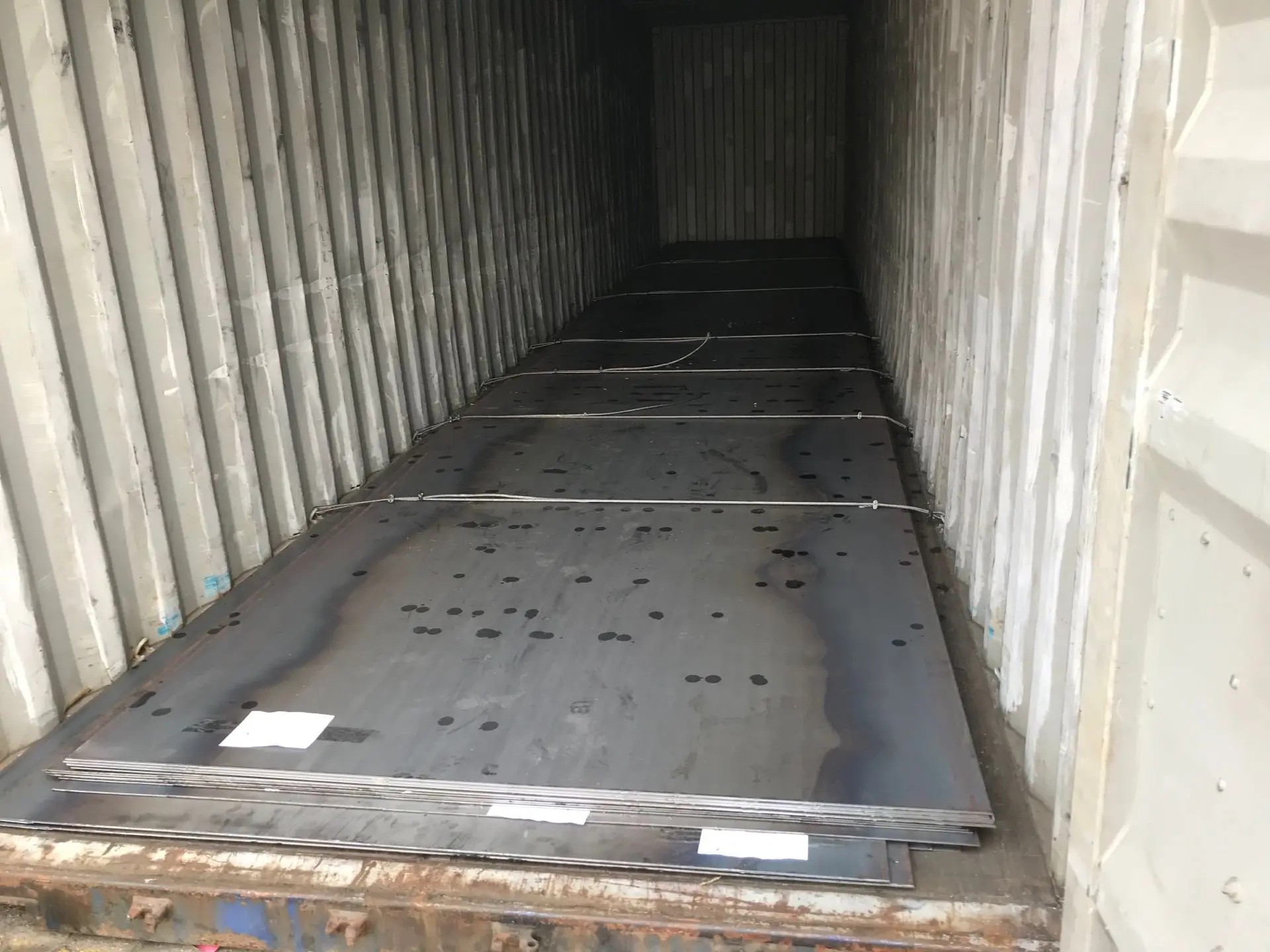
Connect the workshop packing layout to the receiving team installation sequence.
Read the guide ↗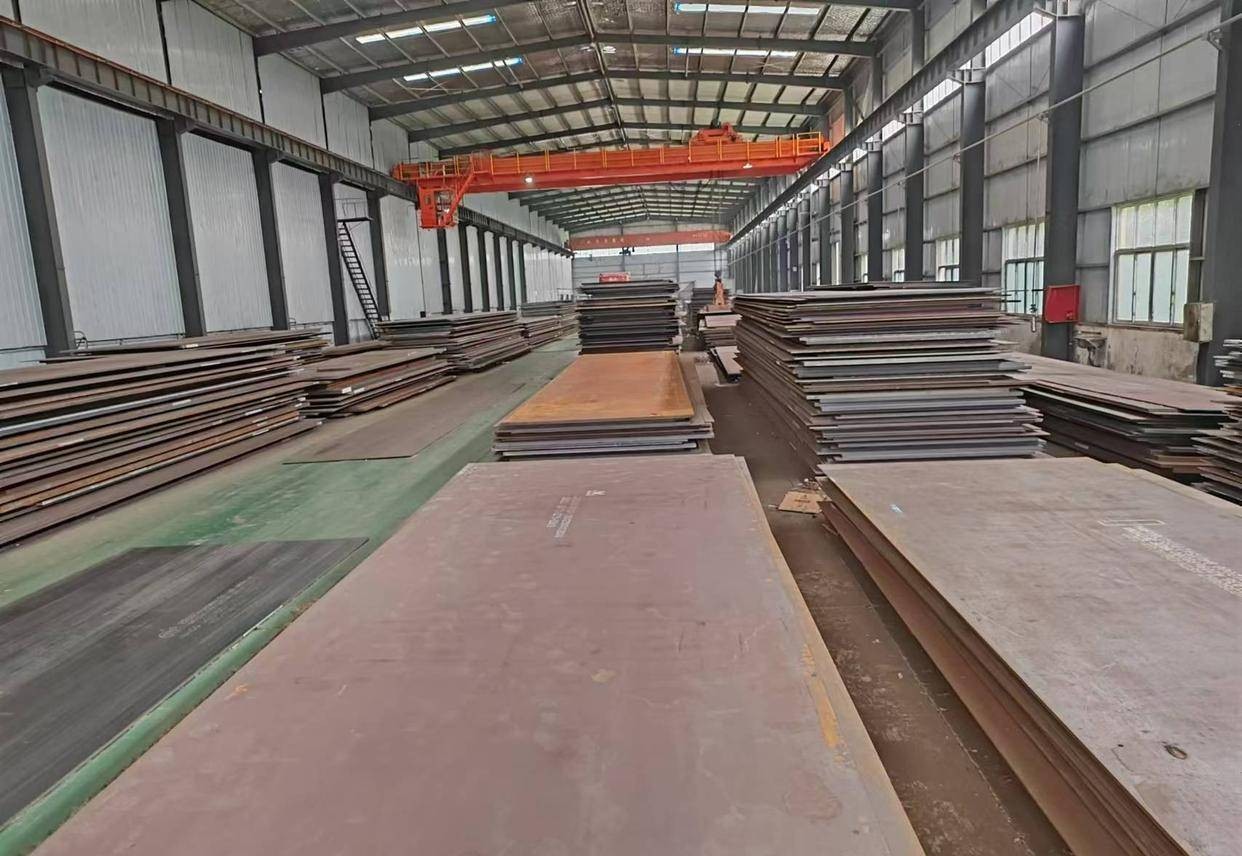
Control translated notes while preserving exact grades, part marks and drawing references.
Read the guide ↗Compare ASTM A588 and A709 Grade 50W as procurement specifications for weathering bridge plate, with drawing, tests and certificate checks.
Read the guide ↗Compare ASTM A588 Grades A, B and K for plate inquiries, grade approval, inspection records and structural fabrication requirements.
Read the guide ↗Weathering steel should be selected for the real environment, including the small areas where water and debris collect.
Read the guide ↗Compare Corten A vs Corten B by chemistry, strength, product form, applications and ordering requirements. Choose a weathering steel specification for your project.
Read the guide ↗Understand corten steel plate pricing per tonne, plate and square metre. Compare grade, thickness, processing, finish, freight and quote scope before ordering.
Read the guide ↗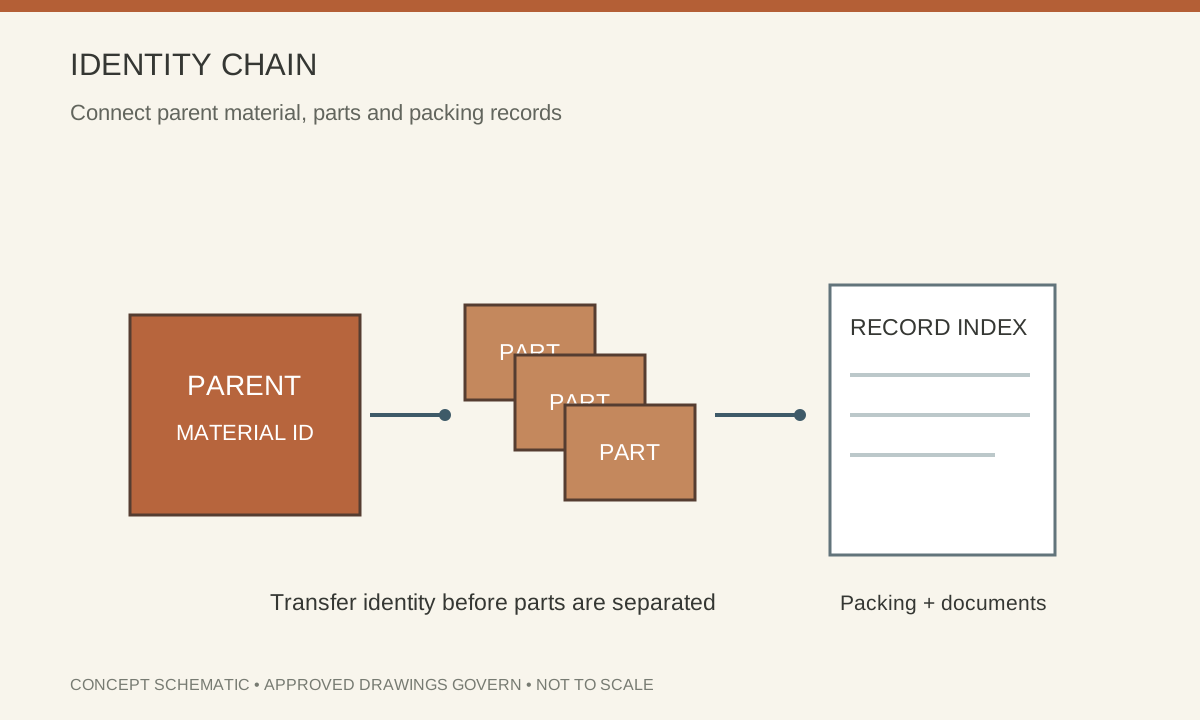
Plan identification transfer from parent plate to cut parts, including nesting records, part marks, remnant controls and required material-document links.
Read the guide ↗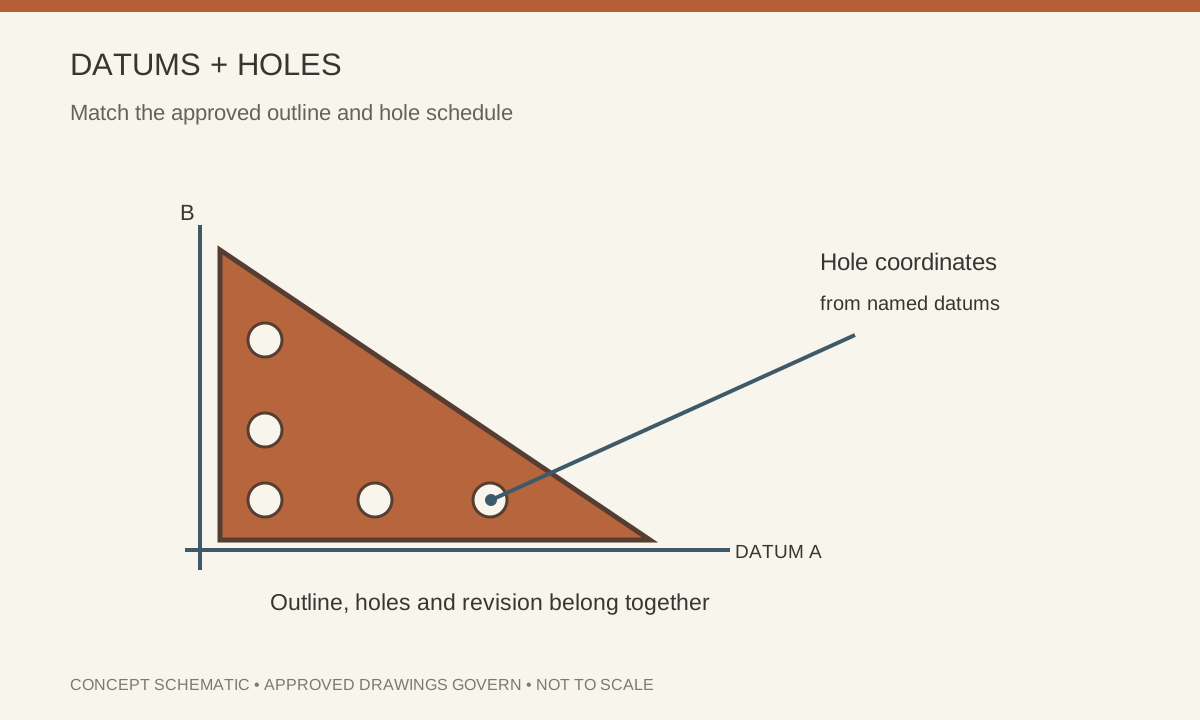
Prepare a gusset plate order with clear hole coordinates, drawing datums, part marks and inspection scope before the cutting and drilling route is accepted.
Read the guide ↗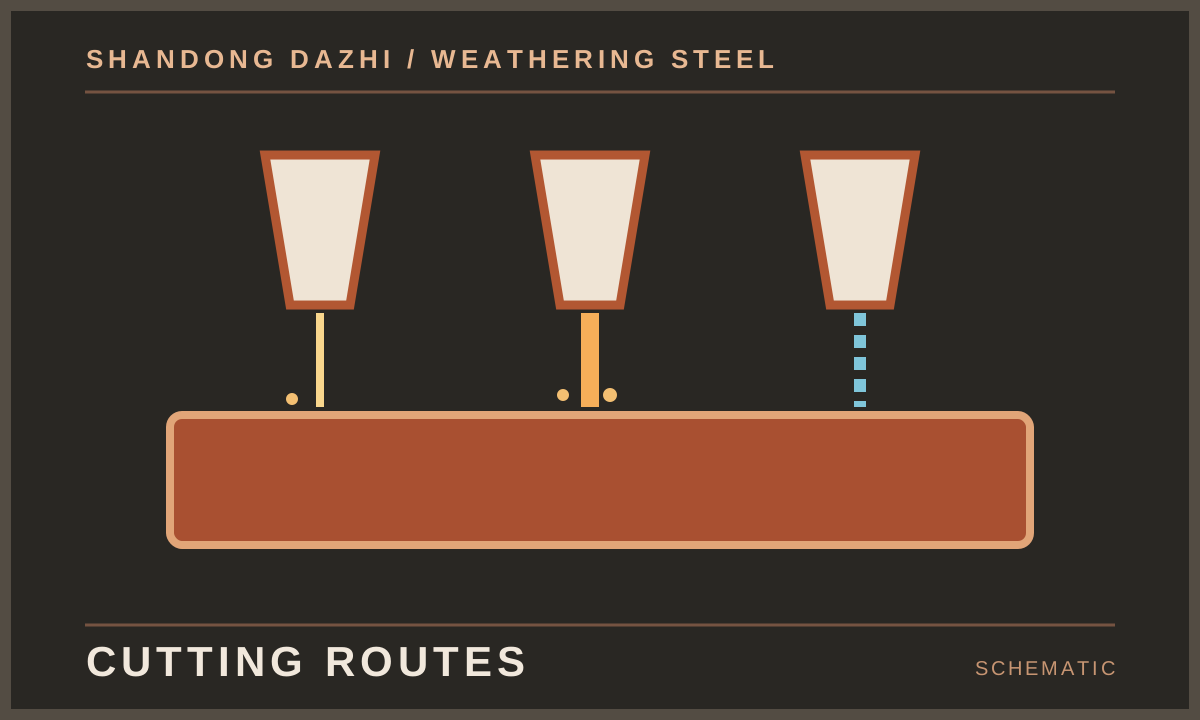
Compare laser, plasma and waterjet cutting questions for weathering steel plate, including geometry, edge finish, heat input and downstream processing.
Read the guide ↗A weathered appearance cannot verify a steel grade. Procurement needs an agreed documentary trail.
Read the guide ↗The material specification continues through dispatch and site handling. Plan how each piece arrives, is identified and is stored.
Read the guide ↗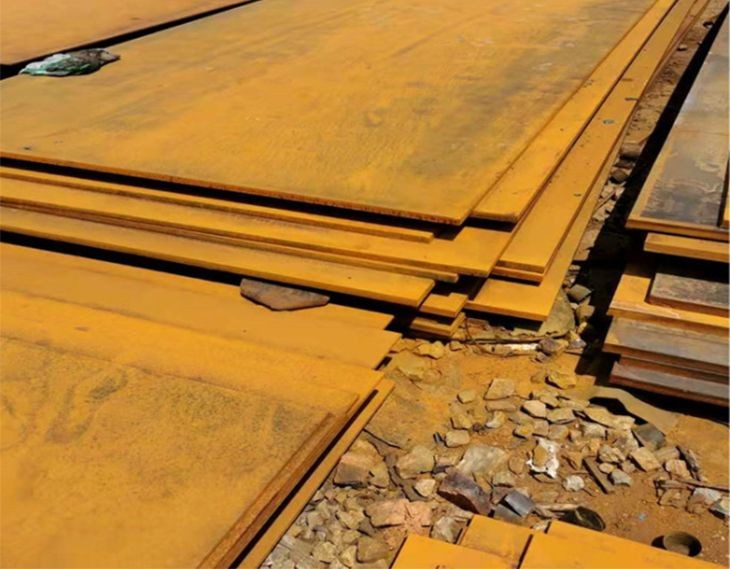
A weathered surface tells a story about exposure. Understand the material before you specify its appearance.
Read the guide ↗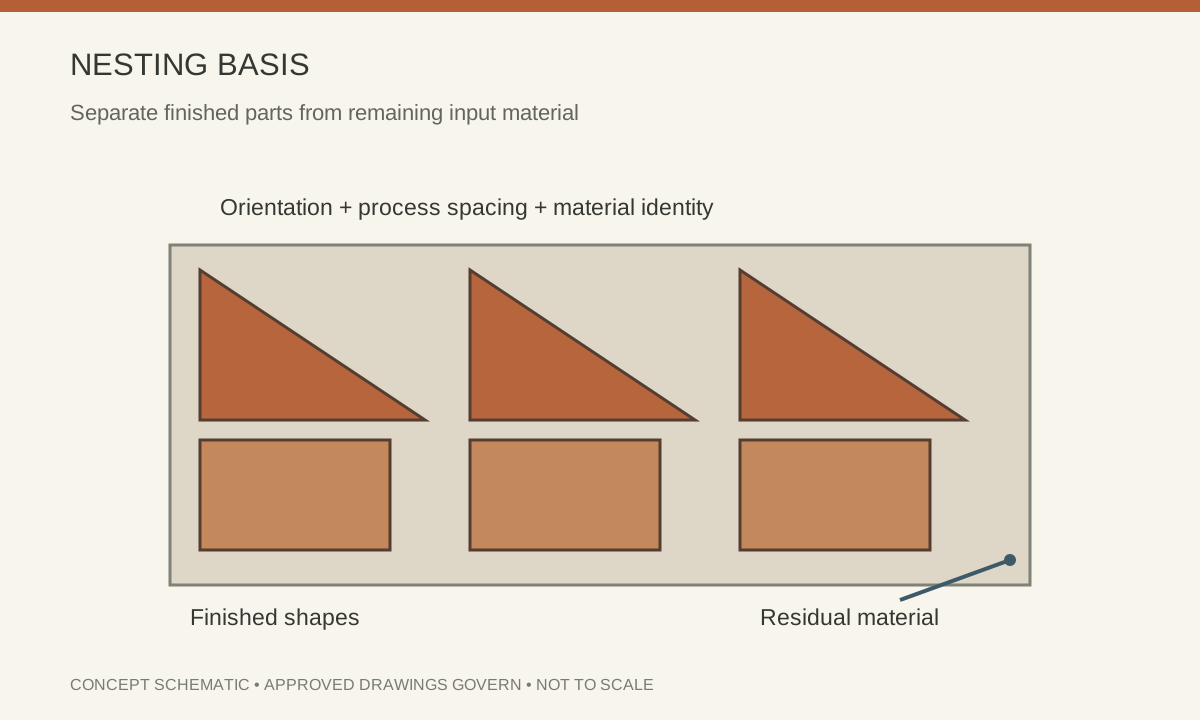
Compare profiled plate offers using the same drawing revision, part quantities, material basis, offcut ownership and accepted nesting constraints.
Read the guide ↗A theoretical weight is useful for planning, provided its assumptions stay visible.
Read the guide ↗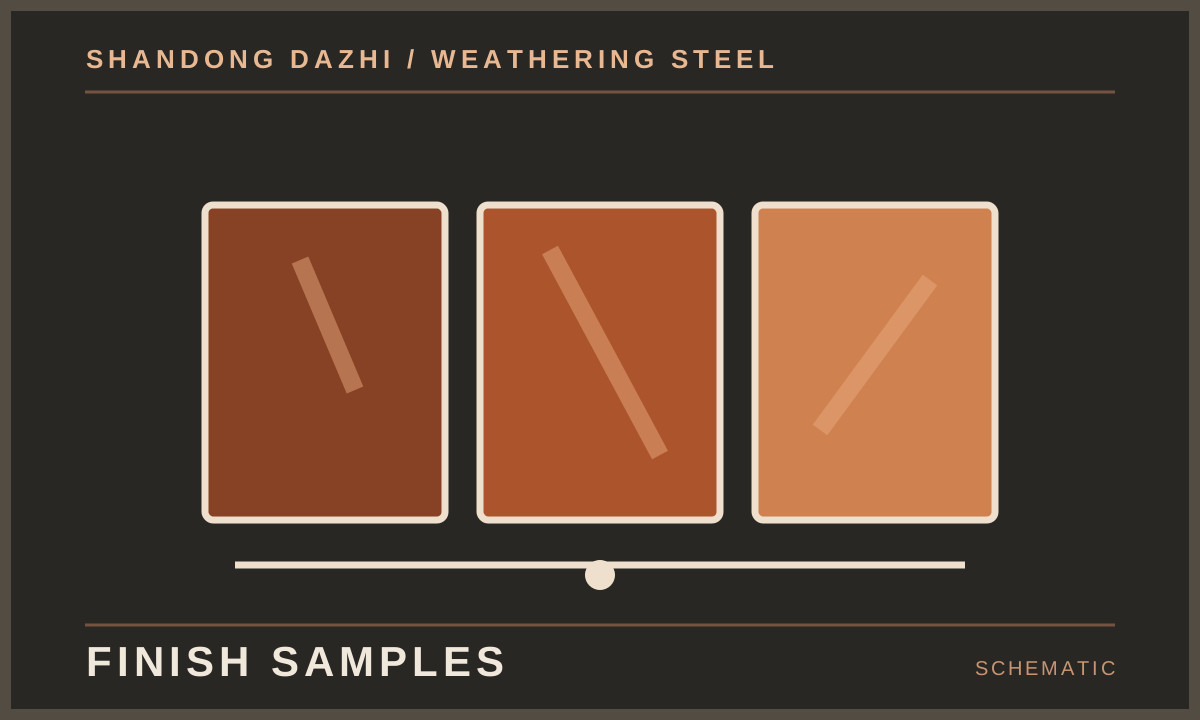
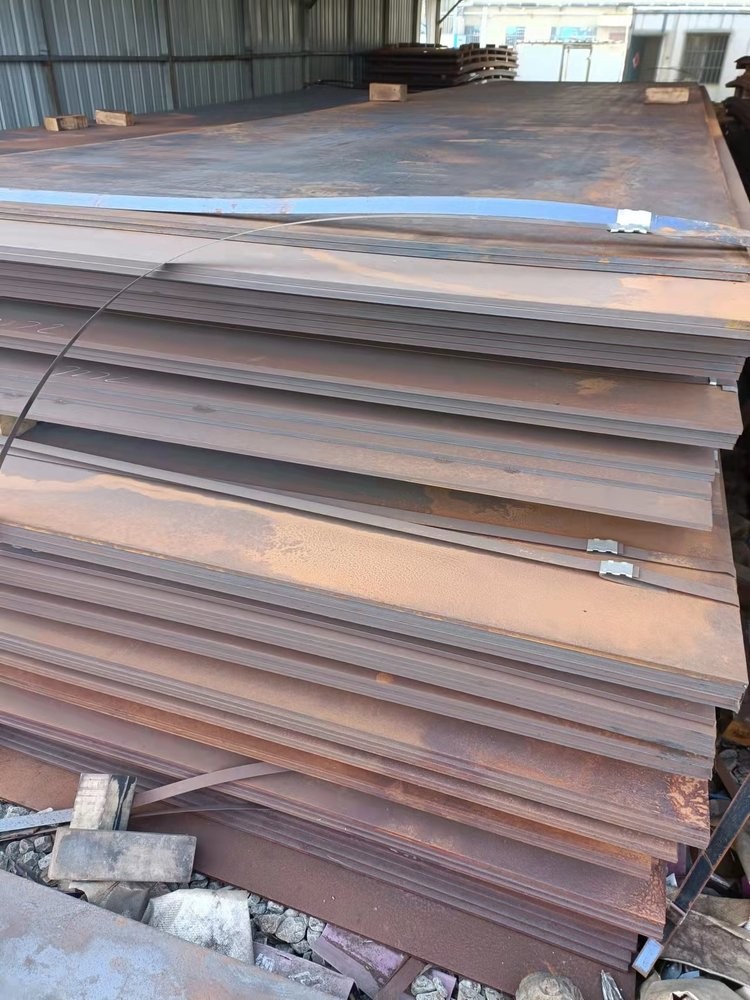
A useful inquiry connects the material list with the environment, finish and delivery requirements.
Read the guide ↗Prepare a fastener schedule covering bolts, nuts, washers, holes, surface conditions and inspection for weathering steel connections.
Read the guide ↗Review wet contact, isolation components, coatings and inspection access where weathering steel meets other materials.
Read the guide ↗A 2026 buyer note on ASTM G101-04(2025): why moisture, salt and site details matter when specifying unpainted weathering steel.
Read the guide ↗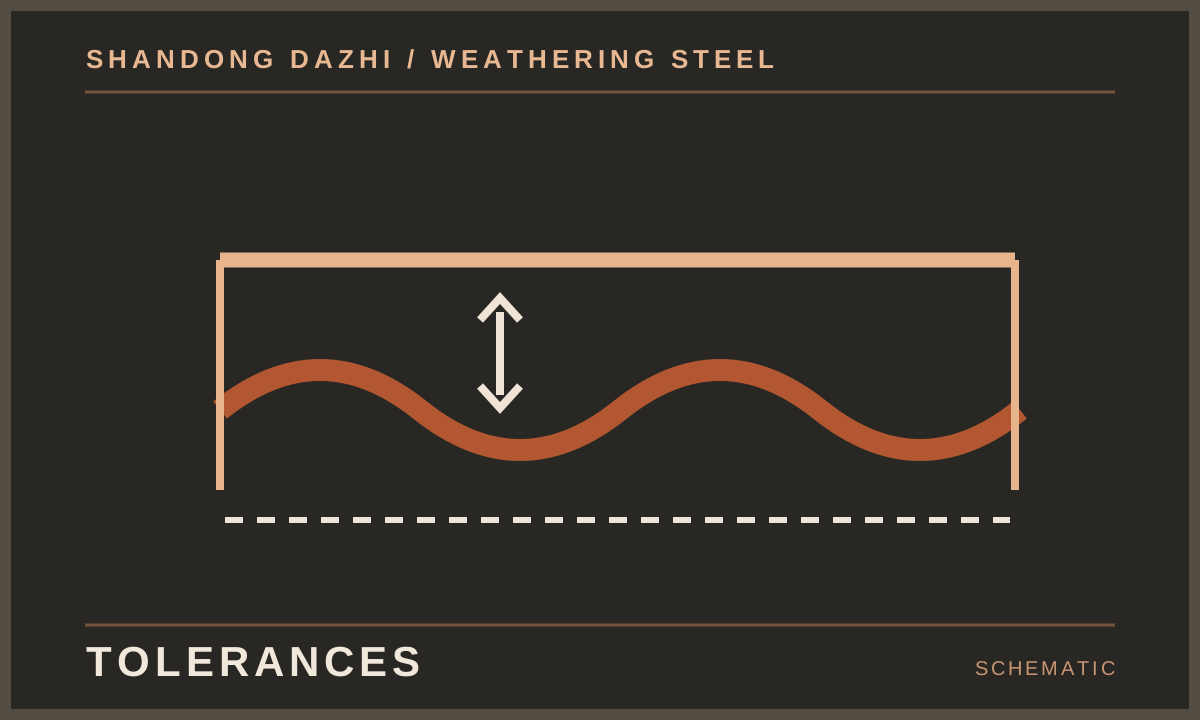
Avoid confusion between mill plate tolerances and processed-part acceptance for weathering steel. Define flatness, length, squareness and inspection method.
Read the guide ↗Coordinate mass, geometry, finish protection, approved lifting arrangements and transfer records for steel plate and fabricated panels.
Read the guide ↗Build an inspection register for weathering steel patina, drainage, joints, interfaces and maintenance access at project handover.
Read the guide ↗A storage checklist for weathering steel plate: supports, ventilation, moisture checks, identity and port handover records.
Read the guide ↗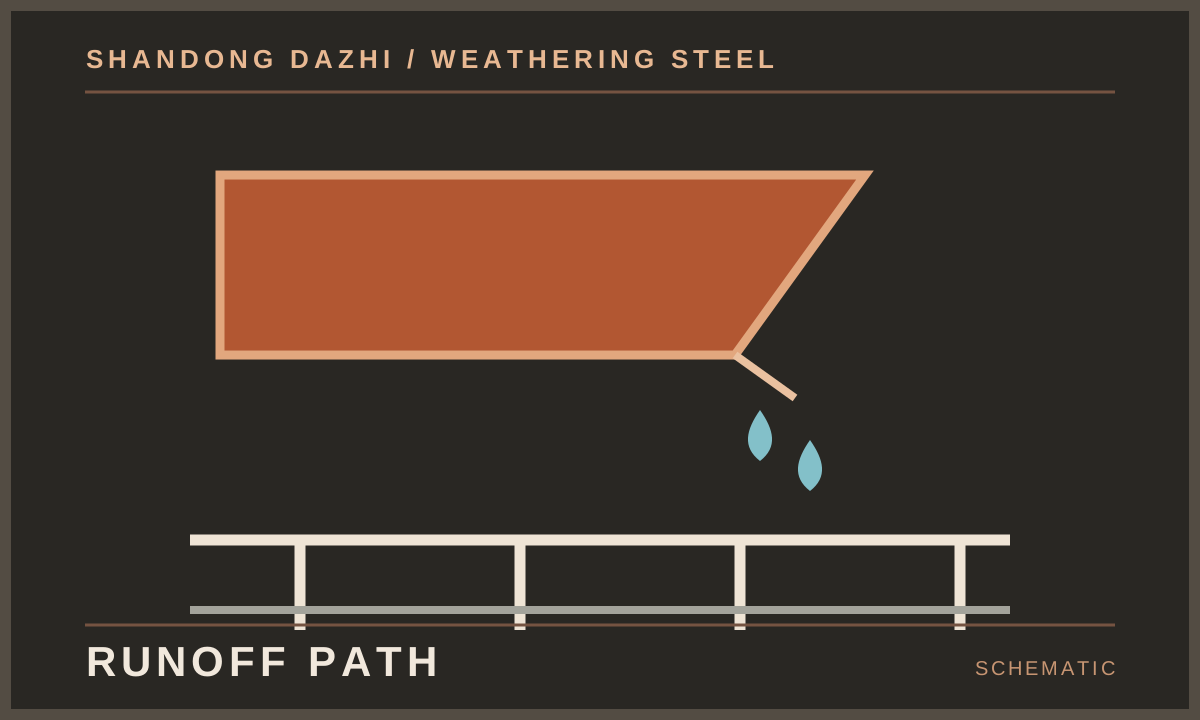
Design questions for weathering steel runoff near concrete, stone and paving: drip paths, temporary protection, drainage and maintenance access.
Read the guide ↗Define the examination standard, extent, acceptance level, timing and reporting before ordering ultrasonic testing of plate.
Read the guide ↗