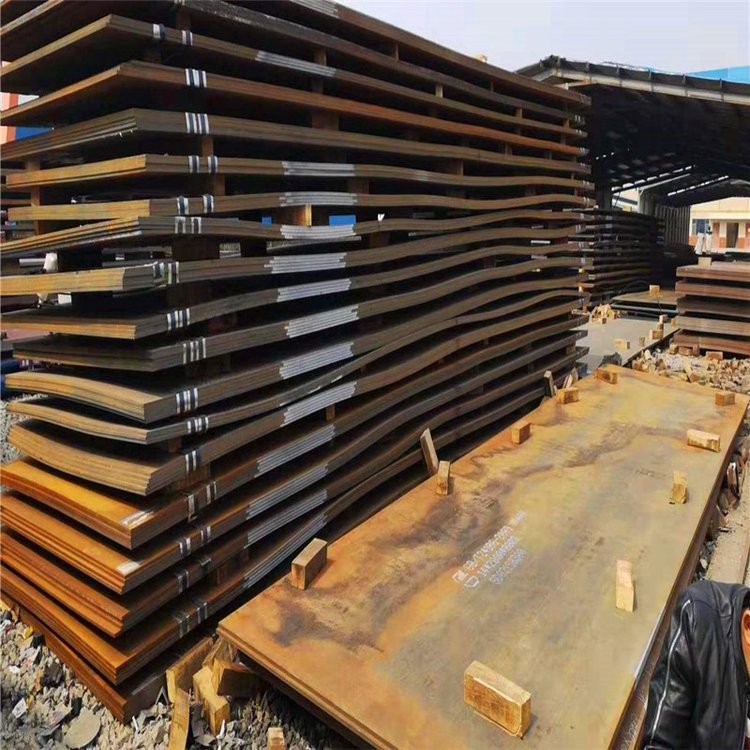
Allocate parts before packing
Use a destination allocation schedule that identifies every part mark and its quantity for each receiving location. A total order quantity does not describe how pieces should be divided between sites. Resolve shared hardware, spare pieces and remaining material before the supplier begins packing, so a site does not receive panels without the accessories assigned to them.
Build destination-specific packages
Give each shipment its own packing identity and receiving contact. Keep the material records linked to the supplied pieces without assuming that an inspector at one site can access documents sent to another. Where a heat is split across destinations, preserve that relationship in both packages. Check that document filenames and bundle labels make the destination easy to identify.
Reconcile changes across all allocations
A quantity change at one site can unintentionally alter another site allocation if the master schedule is not controlled. Record the revised distribution and check the overall order total after every change. Before dispatch, compare the physical packing list with the approved allocation. Retain a summary of dispatched, pending and cancelled quantities by destination.
A practical record structure
| Record | Information to agree |
|---|---|
| Destination A | Assigned part marks and accessories |
| Destination B | Separate marks and quantities |
| Shared material | Heat-document links for both sites |
| Master total | Dispatched plus outstanding quantity |
Before closing the review
- Approve allocation before packing.
- Identify a receiving contact for each destination.
- Reconcile every revision with the master total.
Read the related buying guide and include the accepted records with your project inquiry.