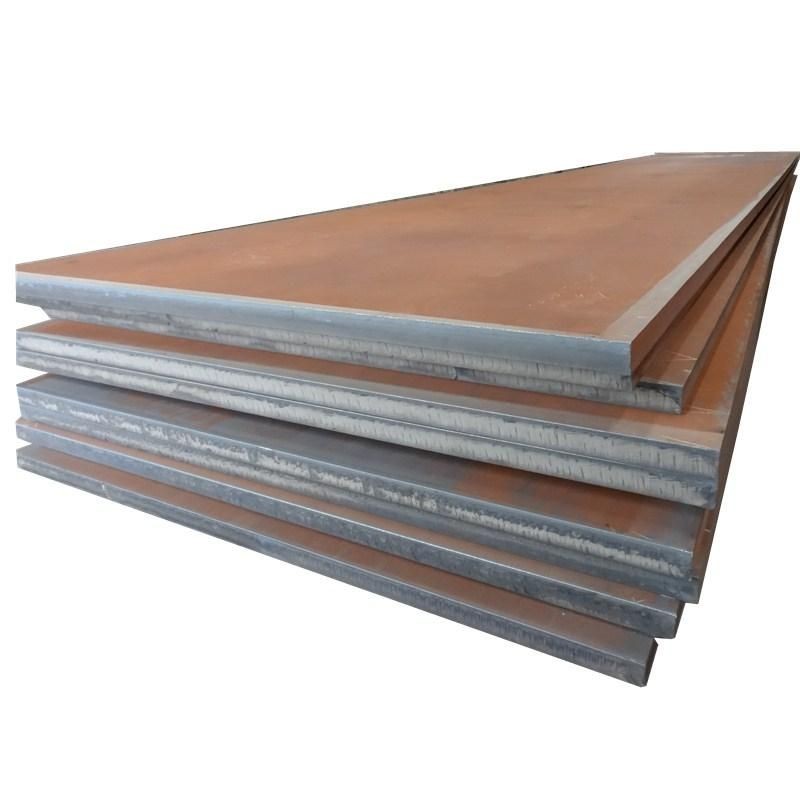
Separate blank size from finished geometry
A cutting inquiry should state whether the supplier is providing a finished part or a blank for later machining. List the final component drawing and the required blank envelope separately. If allowances are required, identify the faces and edges involved. A general instruction to leave extra material does not tell the processor which surfaces must clean up during the next operation.
Coordinate the next manufacturing stage
Ask the machining contractor to review the proposed blank condition, datum and available material on critical faces. Agree responsibility for selecting the allowance through the project process. Plate thickness tolerances, cutting condition and subsequent processing can affect the review; avoid copying one universal allowance across unrelated parts without checking the actual requirement.
Inspect the correct supply stage
Receiving inspection should compare a rough blank with the accepted blank drawing, not automatically with final machined dimensions. Preserve identification for the next contractor and record which machining operations remain outside the supplier scope. If finished parts are supplied instead, define their measurement and surface requirements explicitly so both quotations cover the same deliverable.
A practical record structure
| Record | Information to agree |
|---|---|
| Finished drawing | Final geometry and revision |
| Blank envelope | Ordered thickness, width and length |
| Allowance | Specified faces and edges |
| Supply stage | Rough blank or finished component |
Before closing the review
- Identify the deliverable before asking for price.
- Review allowances with the next processor.
- Inspect against the accepted supply-stage drawing.
Read the related buying guide and include the accepted records with your project inquiry.