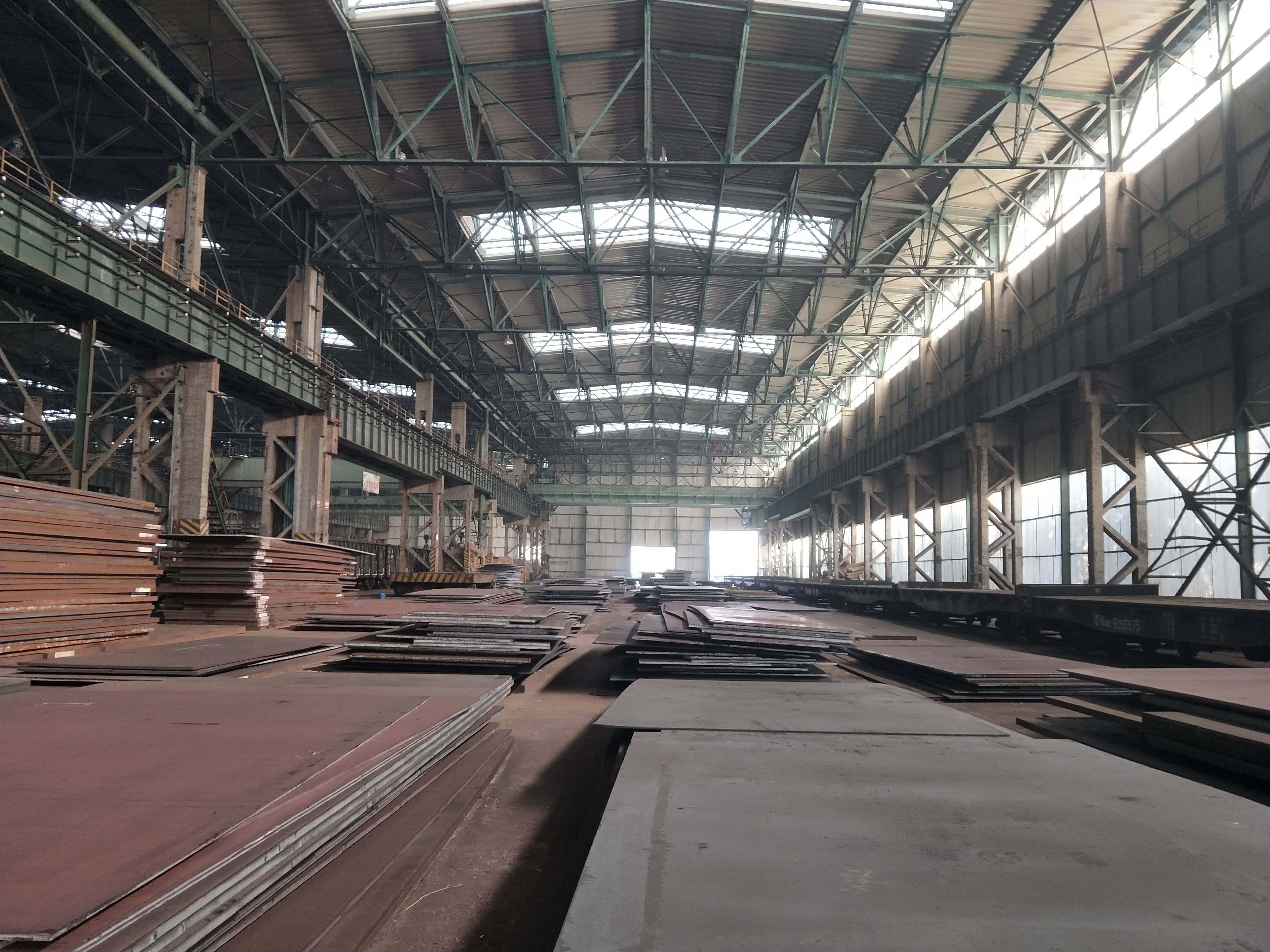
A staged project may order a total scope while releasing fabrication and deliveries in smaller portions. Keep the forecast, released quantity and dispatched balance distinct. This prevents a planning spreadsheet from being mistaken for an instruction to manufacture every line immediately.
Define what a release authorises
State whether a call-off permits material allocation, cutting, further fabrication or dispatch. Identify the drawing issue and quantity covered by that instruction. A request to hold stock for a later stage should not be confused with permission to process an unapproved design. Name the person who issues accepted releases and the route used to acknowledge them.
Maintain one balance across stages
Track the total ordered quantity, each authorised release, completed work and delivered quantity by part mark. Include cancelled or superseded quantities explicitly. Check that revisions do not accidentally release a line twice. For components used in several areas, retain both the common part identity and the allocation to each installation stage.
Review assumptions behind future dates
Ask the supplier to identify the lead-time and information assumptions for the pending stages. Reconfirm those assumptions when the programme changes. A forecast month does not establish a booked production slot or a guaranteed stock allocation. Keep unresolved drawing approvals and inspection requirements visible beside the proposed release dates.
Close each stage without losing the remainder
Send the stage-specific packing and material records with the relevant delivery. Reconcile shortages or approved extras against that release before rolling the balance into the next stage. At project close, review outstanding parts and any agreed remaining material separately. The final balance should show what happened to every ordered quantity.
Useful staged-order balances
| Item | Information to define |
|---|---|
| Forecast | Planned quantity awaiting authorisation |
| Released | Quantity and accepted document issue |
| Completed | Work ready for its next agreed stage |
| Delivered | Dispatched quantity and open balance |
Before you release the next stage
- State what each call-off permits.
- Check for duplicate releases.
- Reconcile each stage before carrying balances forward.
Continue with Planning a Steel Order for Multiple Destinations, or send your project requirements for a scope review.