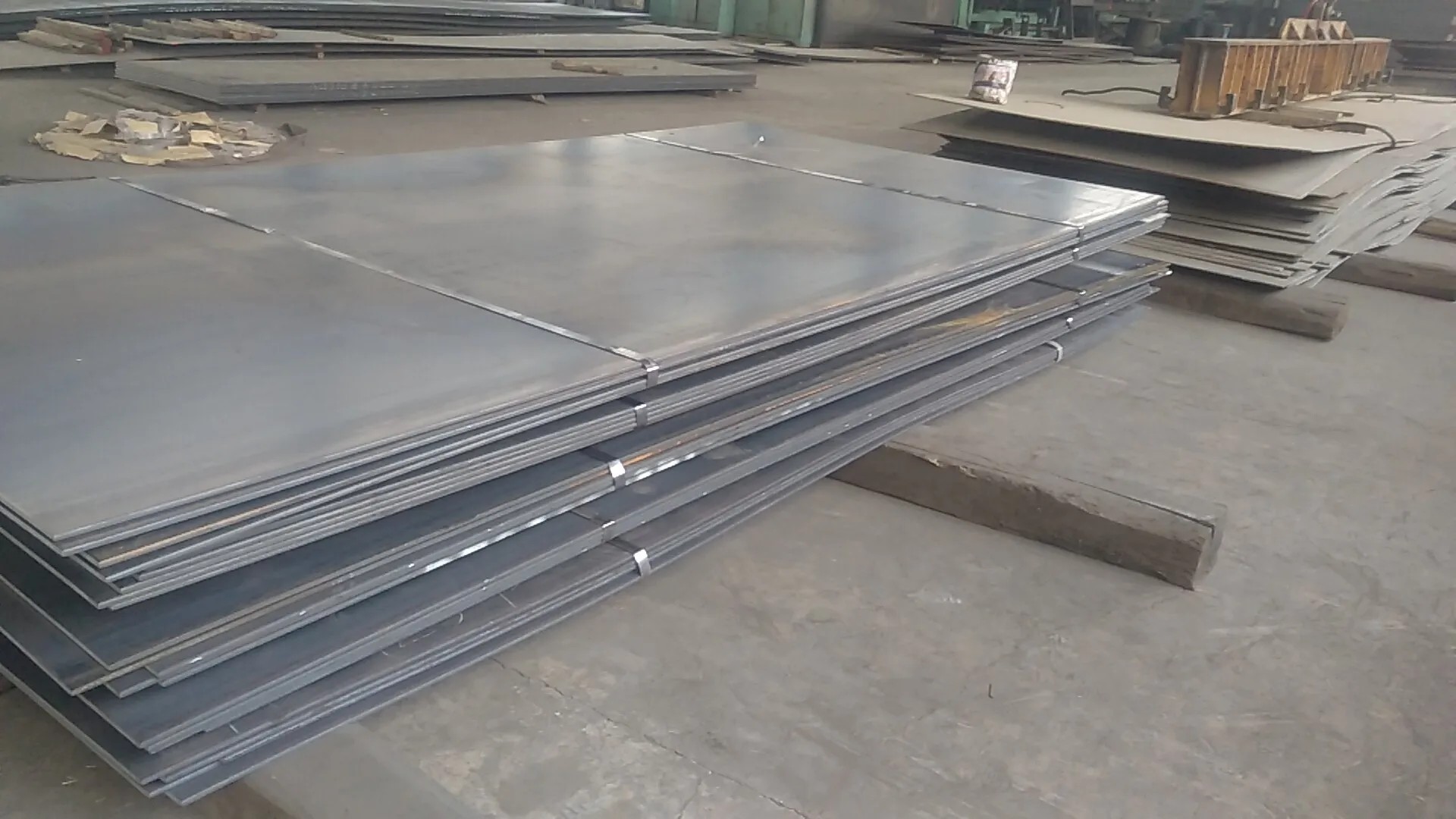
A rectangular opening with sharp corners on a drawing may not describe the opening required by the mating component. Corner radius, edge treatment and clearance all affect fit. Resolve those details before choosing a cutting or machining route for the weathering steel panel.
Describe the mating requirement
Identify what passes through the opening or sits against it. Provide the accepted envelope and mounting detail, rather than relying on a nominal equipment size. The required clear opening may differ from the outside dimensions of a flange or trim. Include the viewing direction and distinguish the visible edge from any concealed clearance feature.
Show the intended corners explicitly
Dimension the corner radii or other approved corner relief. If the drawing requires a feature that the proposed cutting route cannot supply, ask for a documented alternative or an additional machining operation. Do not allow an automatic toolpath adjustment to become an unreviewed design change. Include any limit on residual material or corner overcut in the acceptance requirement.
Measure after the agreed finishing stage
Burr removal, edge finishing and subsequent forming can change the condition that matters at assembly. State whether opening dimensions apply to the flat blank or the finished panel. For a critical interface, consider an agreed template or mating-piece check alongside dimensional measurements. Identify the template revision so it does not quietly override the controlled drawing.
Example: an access aperture with a cover flange
The flange may conceal the cut edge while the body behind it still needs corner clearance. Review both envelopes on a section view. This can avoid paying for unnecessary sharp internal corners or receiving a nominally correct aperture that interferes with the hidden equipment. The designer approves the final clearance detail.
Cutout information to release together
| Item | Information to define |
|---|---|
| Opening | Width, height and corner geometry |
| Mating item | Accepted envelope and flange detail |
| Stage | Blank or finished panel |
| Fit check | Drawing, template or mating component |
Before you release the next stage
- Specify corner geometry rather than drawing it approximately.
- Review toolpath changes before cutting.
- Check the interface in its final supplied condition.
Continue with Laser, plasma or waterjet: choose by the part, or send your project requirements for a scope review.