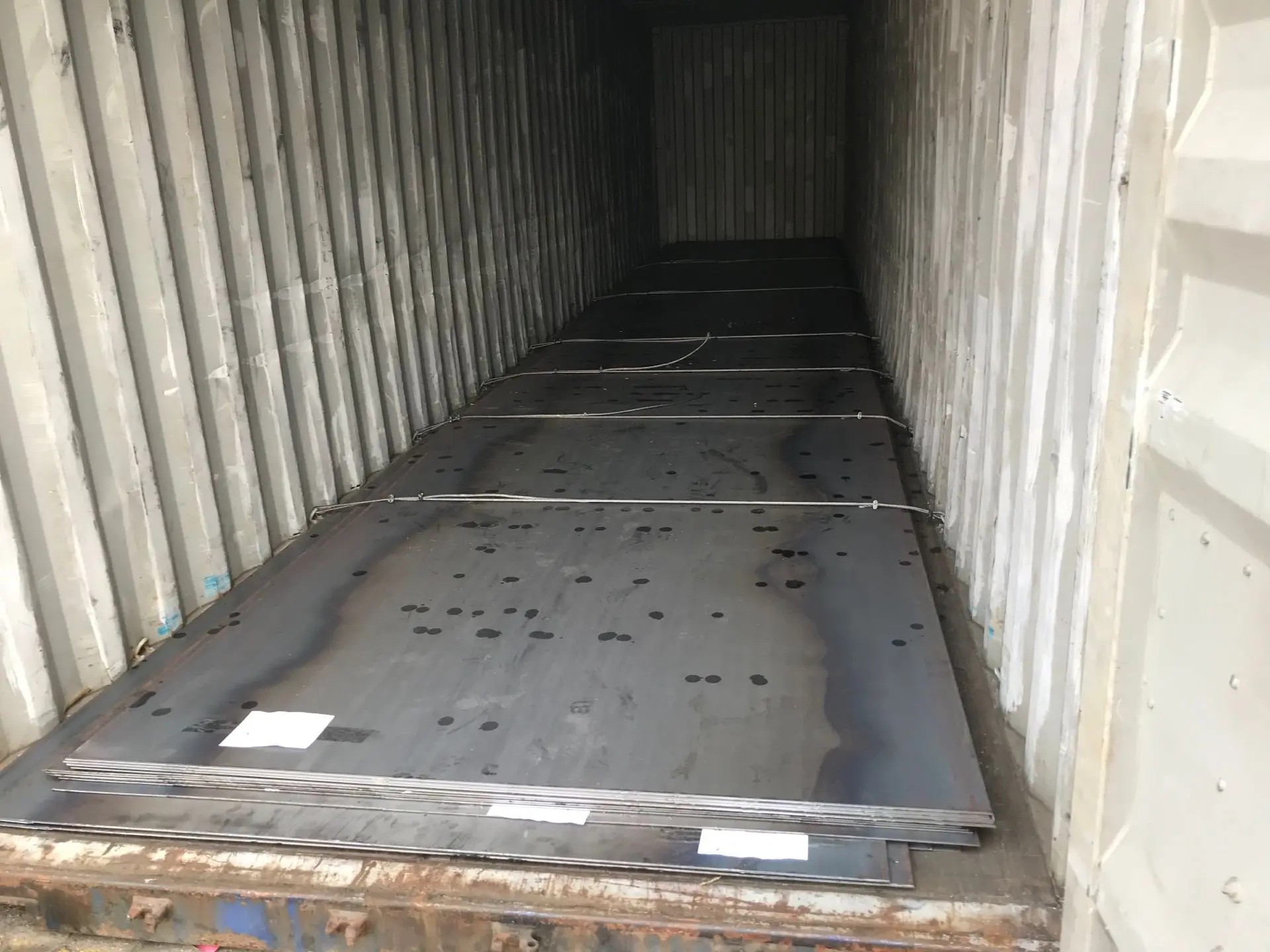
Ask which piece is needed first
A packing plan designed only around making a compact bundle can leave the first required component underneath the rest of the order. Give the supplier the receiving sequence and explain whether parts go straight to installation or into temporary storage. Identify priority items and any accessories that the receiving team needs before it can release the larger components.
Approve the relationship between packing layers
Use a layer or position schedule linked to component marks. Show separators and the agreed removal sequence without presenting the packing sketch as a lifting plan. The responsible logistics and handling contractors should approve supports and handling arrangements for the actual load. Keep labels readable during progressive unpacking so material does not lose identity after the outer wrapping is removed.
Provide instructions the receiver can find
Place the required packing information where the receiving team can access it before opening the bundle. Identify which packages contain hardware or documents. If the installation sequence changes after packing, review the consequences before dispatch rather than assuming the receiver can safely rearrange the load. Record any re-packing and verify the contents against the revised list.
A practical record structure
| Record | Information to agree |
|---|---|
| Priority | First components required at receipt |
| Packing position | Layer or bundle reference |
| Accessories | Hardware package identity |
| Sequence change | Approved re-packing record |
Before closing the review
- Send the receiving sequence before packing.
- Link positions to part marks.
- Keep unpacking instructions accessible.
Read the related buying guide and include the accepted records with your project inquiry.