Confirm the material first
Before discussing a cutting or forming route, establish the grade, thickness, delivered condition and required documents. Provide the intended application and the approved drawing revision. Processing suitability depends on the actual material and geometry; a product photograph is not evidence that every grade, thickness or part can follow the same process.
Define the finished edge and geometry
For cut profiles, specify overall dimensions, internal cutouts, hole positions, tolerances and burr requirements. Identify any machining allowance or edge that will later be welded. For folded panels, provide return dimensions, bend locations, material orientation where relevant and the required finished dimensions. Ask the fabricator to review tooling and bend details before production rather than assuming a universal bend radius.
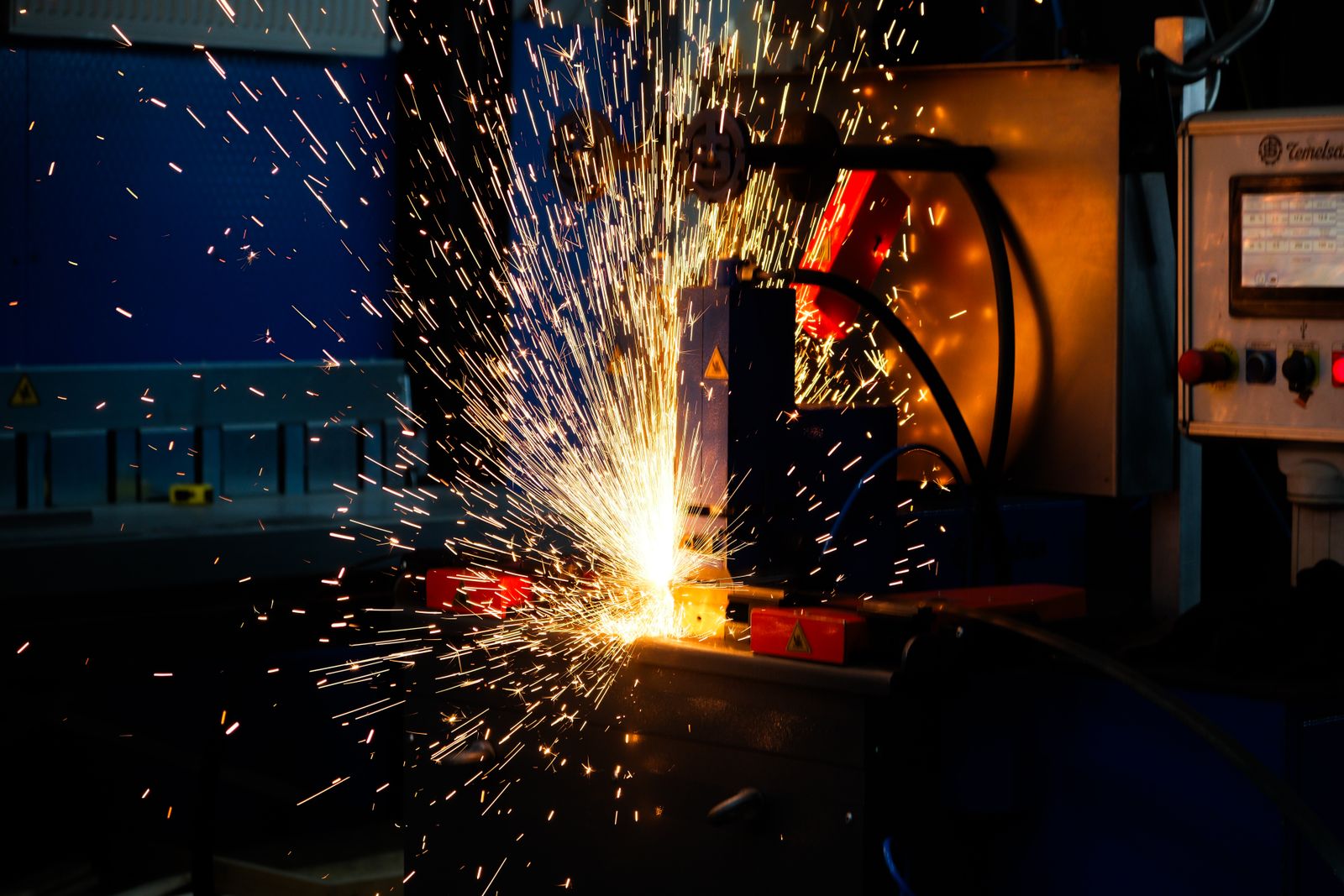
Treat welding as an engineered process
The welding procedure must suit the selected material and service. The design and fabrication team should establish consumables, preparation, heat-control requirements, inspection and any procedure qualification. On exposed architectural work, discuss how welds and adjacent surfaces are expected to appear after weathering. Cosmetic similarity does not replace the requirements for a sound, compliant joint.
Agree the release checks
Set the dimensional checks, part marking, visible-face acceptance and packaging arrangements before releasing the work. If a sample panel is needed, define what its approval covers: geometry, surface preparation, initial color or assembly detail. Record changes in the controlled drawing and finish brief. SHANDONG DAZHI accepts processing inquiries for review; method, achievable tolerances, subcontracted scope where applicable and lead time are confirmed for each project.